
Engineers require three essentials. We need a clear mission, stable funding, and committed partners. With these, we build levees, restore wetlands, and protect communities. Without them, progress stalls and expectations go unmet. The same holds true for our national defense. America’s ability to project power depends on a strong energy sector that can deliver without fear that yesterday’s federally directed work will become tomorrow’s liability.
That is why Louisiana’s ongoing coastal lawsuits against U.S. energy producers are so troubling. These cases may appear to be local matters, but they strike at the foundation of national readiness. They undermine trust in our partners who supply the fuel and materials required to keep the nation secure.
President Donald J. Trump has placed energy dominance and military preparedness at the center of his agenda. His executive order, Protecting American Energy from State Overreach, warns against using litigation to punish companies for lawful work tied to national interests. Louisiana’s lawsuits do exactly that.
The case of Chevron USA Inc. v. Plaquemines Parish shows how far-reaching the consequences could be. At issue is whether lawsuits tied to federal wartime production will be heard in federal court, where the historic and legal context is understood, or left to state courts with narrower perspectives. The U.S. Supreme Court has agreed to review these cases this term, and recently held oral arguments on January 12. The decision will affect not only the energy sector but also every federal contractor that supports the armed forces.
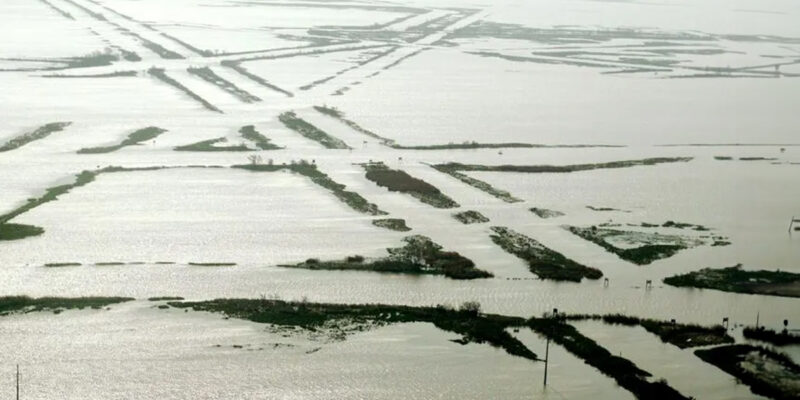
During World War II, the Petroleum Administration for War directed private companies to increase output and prioritize military contracts. Those companies supplied the aviation fuel that carried Allied bombers across Europe and the Pacific. They acted under federal authority. To hold them liable eight decades later for alleged coastal land loss tied to those operations is unjust and dangerous.
In April, a Louisiana state court awarded more than $700 million against one energy company based on legal theories that federal courts have rejected. If this precedent stands, any federal contractor could face politically motivated lawsuits for carrying out federal directives. That includes shipbuilders, medical suppliers, and logistics providers who serve in times of crisis.
This comes at a moment when global tensions are rising. A conflict in the Taiwan Strait would demand a surge in jet fuel, diesel, and other strategic materials. If American energy producers believe that fulfilling federal contracts could expose them to potentially billions of dollars in financial ruin decades later, they may hesitate to step forward when we need them the most. That would leave our military exposed and dependent on foreign suppliers.
China is stockpiling energy resources with strategic intent. Meanwhile here at home, trial lawyers are seeking billions from the very firms that fuel our Navy, power our Air Force, and sustain forward operating bases. That is not a security strategy. It is a recipe for strategic failure.
As an engineer, I know that success depends on trust between mission partners. The federal government and the private sector must work together with clarity and commitment. These lawsuits erode that trust. They replace partnership with uncertainty and weaken the ability of our nation to prepare for the challenges ahead.
Louisiana’s leaders should recognize the national interest at stake. Breaking with politically connected trial lawyers and aligning with America’s warfighters would affirm that the state stands with security, not against it. Supporting lawful energy production is not only prudent policy, but also essential to the defense of the United States.
Energy and security rise together. Undermining one will compromise the other. At a moment when the stakes for American freedom could not be higher, we cannot afford to let short-term politics weaken long-term readiness.
Thomas Magness is a Retired U.S. Army Colonel and a former Commander in the US Army Corps of Engineers
Advertisement
Advertisement
