
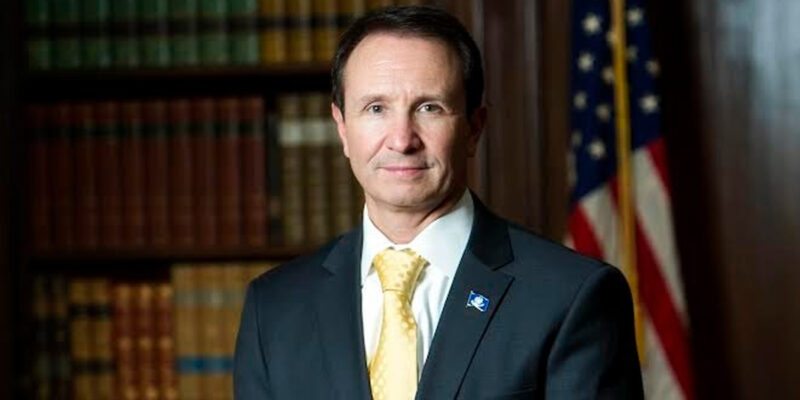
With a little luck and adroit maneuvering, Republican Gov. Jeff Landry might be addressing an Achilles heel ahead of his reelection bid in 2027.
While drawing enthusiastic reviews from his conservative base for his tax-cutting policy, holding the line on state government spending, backing sensible measures addressing social issues, and scoring big on economic development moves, it has been nonplussed over his attitude about coastal restoration lawsuits. Over 40 parish-based suits remain against legacy exploration companies from decades ago, recently removed from state courts to federal ones, with Landry cheering on the plaintiff parishes. Conservatives typically see these as money grabs unjustified under federal law that will enrich trial lawyers, putting most on the political right at odds with him.
However, Landry may be softening his reputation as a trial lawyer supporter on the issue as he has spearheaded recent efforts that effectively take the wind out of the sails of the trial bar. It began this summer when the state concluded an agreement with ExxonMobil to have it aid the state in cleaning up orphan wells – those that a defunct explorer abandoned without sufficiently capping – offshore, a problem that could cost the state close to three-quarters of a billion dollars. In exchange, several suits against the company will be dropped.
At around the same time, Landry shepherded a bill through the Legislature that granted increased immunity from lesser liability claims against aerospace companies with a footprint greater than 20,000 contiguous acres. That portended an economic development deal on the way, which manifested last week with the announcement that SpaceX would site the world’s largest launch facility in Vermilion Parish.
Just before that, Landry brokered another deal that has Exxon shifting about 130,000 acres of land in that parish to the government, which in turn will sell it to SpaceX. In exchange, a suit against Exxon by Vermilion goes away.
All of this past litigation disappearing does help out Exxon and diminish trial lawyer largesse. Of course, legal winds have started blowing in favor of the sued energy companies – federal law provides greater protection against liability in these discrete instances – so Exxon could have rolled the dice and likely had some or all of its cases reduced in damages from those sought and/or seen them dismissed.
Instead, it will pay an unknown sum in orphan well cleanup and fork over the otherwise (as of a week ago) economically useless land, but these could be worth much less than the $744.6 million the other large company roped into suits, Chevron, was ordered to pay in one case, although that was vacated when the removal was affirmed. Fewer active suits means less attention paid to Landry’s history of support.
But SpaceX unambiguously benefits from the legislation protecting it. Trading at a valuation of over a trillion dollars, it could be seen as an easy mark, considering that the amount of any nuisance suit would appear as chump change that it would disgorge easily just to avoid the hassle.
In his actions to make suits vanish or not appear, Landry helps to reduce the heat on him from the perception that he is too supportive of trial lawyers. And if these forgone routes to revenue bother the trial bar that generally has supported Landry, the political capital he has managed to build up by his other actions applauded by other constituencies should more than offset any lost campaign support.
Plus, Landry has a bonus from falling vehicle insurance rates for the first time in years, which he can attribute to measures he backed amid claims that these reined in trial lawyer abuses. This can tamp down criticism that his influence stalled other measures, such as regulating third-party litigation financing, that could bring down rates even more.
Thus, Landry may be navigating a way out of an electoral vulnerability. That’s bad news for any would-be challengers next year.
Thank you for reading The Hayride!
Advertisement
Advertisement
