
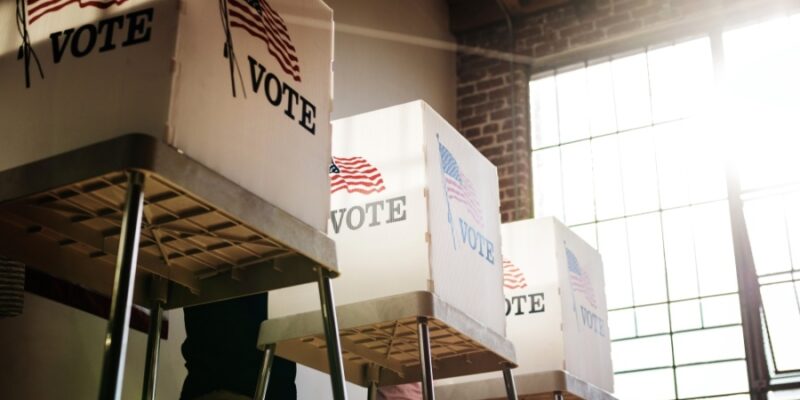
Election debates are rarely far from the headlines in Washington. Lawmakers are actively considering proposals on everything from voter registration standards to ballot procedures and equipment requirements. These conversations reflect something important. Leaders in Congress are taking seriously their responsibility to ensure our election system remains secure, transparent, and worthy of the public’s trust.
Those conversations are necessary. At the same time, there is a practical reality that deserves equal attention: secure elections require reliable funding.
Running elections today involves far more than opening polling places every November. Voting equipment must be maintained and eventually replaced. Cybersecurity protections require constant updates. Voter registration systems must be secured and tested. Poll workers need training and support every election cycle. None of this happens automatically, and none of it comes without cost.
That reality is especially clear here in Louisiana. Our state is working through a major effort to modernize voting equipment across our parishes. Projects of that scale cannot be rushed. They require careful procurement, security review, compatibility testing, and phased implementation across communities with vastly different capacities. Responsible modernization takes planning and steady investment.
During my time in public life, I’ve gained a deeper appreciation for the responsibility carried by the local officials who administer our elections. Parish officials are on the front lines of this work, often with limited resources, yet the elections they run determine representation at every level of government.
Because federal elections carry national consequences, Congress has historically recognized that maintaining election infrastructure cannot fall entirely on the shoulders of states and local governments. During President Trump’s first term, Congress provided roughly $400 million annually to support election infrastructure nationwide. Those investments, which President Biden wiped out when he came into office, helped states replace aging equipment and strengthen cybersecurity safeguards at a time when concerns about foreign interference and cyber threats were growing.
In the years since, expectations around election security and performance have only increased. Many of the proposals currently being debated in Congress are aimed at strengthening public confidence and ensuring election systems keep pace with modern challenges. Those discussions are an important part of maintaining the integrity of the process.
Meeting those expectations, however, requires resources. Stable federal support allows states to plan responsibly. It allows election officials to replace equipment on a predictable schedule, strengthen cybersecurity protections, and avoid the rushed timelines that often accompany one-time funding.
As the House Appropriations Committee works through this year’s funding decisions, Louisiana is fortunate to have a seat at the table and can be a key part in shaping conversations about the resources needed to keep our election systems secure and modern.
The policy debates around elections will continue, as they should in a healthy democracy. But regardless of where those discussions lead, the systems that support our elections must remain secure, modern, and responsibly maintained. That requires more than legislation alone but also sustained investment and a long-term commitment to maintaining the infrastructure that makes our elections possible.
Rick Edmonds serves in the Louisiana State Senate.
Advertisement
Advertisement
