
If there is one thing this LSU saga is teaching us, it is that there is always a deeper lesson hidden beneath the surface-level details of sports.
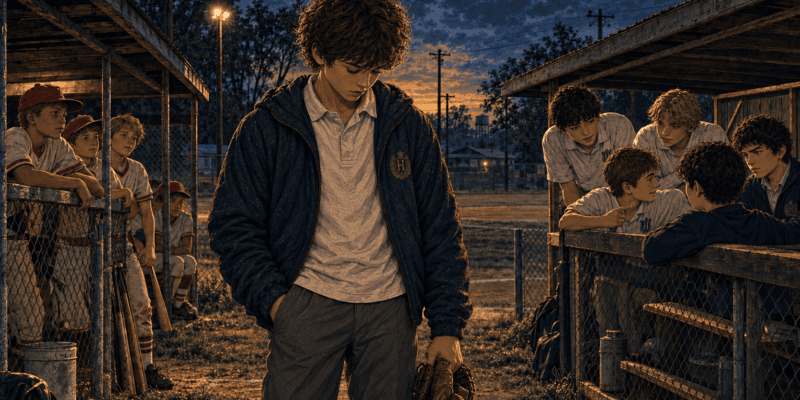
In Third Bell Ringing, a developing novel by yours truly, Andre Blue is encountering exactly that—a baseball problem that extends well beyond baseball. Having already signed with the Jeanerette league to play Little League baseball, he is now being recruited by his new friends in Franklin—some of whom have become better friends than most in Jeanerette—with an argument that may sound more like a courtroom than Andre likes—that he shouldn’t just play with them, but that he belongs with them.
“We” is the word Andre keeps hearing throughout the day, an insistent camaraderie that is even helping him get his mind off of the fact that he hasn’t invited his crush to his birthday party yet.
Andre, still working through the nuances involved in real life and moving beyond simple binaries, eventually feels a sort of pained comfort in limiting the entire problem to one unhappy sentence:
“I’m gonna have to disappoint somebody.”
SERIES
Reclaiming a Louisiana Childhood Worth Saving
Why Conservatives Cannot Stay on the Mountaintop
On Conservatives and Choosing the Right Master
The easy interpretation for a reader would be that Andre is indecisive, anxious, or simply too concerned with making everybody happy—a characteristic reflecting that he is still just a kid, and one that growing into adulthood may fix. Some of that is probably true. Yet his hesitation also can reveal something deeper about humanity, something increasingly absent from our political and cultural life.
He recognizes legitimate virtues moving inside both choices.
His natural instinct, of course, since he lives inside the world of sports, is to attempt to find or even force vice into one of the sides, as a sort of crowding out of the virtues he cannot escape. Jeanerette represents home, an old friendship with Grant (and others he has tried to crowd out as well), proximity to his house, and simply the setting into which Andre was born. Plus, he has given his word, albeit before anything about Franklin developed the way it has. These are conservative goods, particularly at a time when such birth settings are becoming incidental as more and more children grow up and move away, somehow developing the idea that staying home is a sign of failure or imprisonment.
Franklin, however, makes its own argument, and it is just as sound, particularly if you include emotion in the decision. New friends there have welcomed him. He is praised for his smarts and sports prowess instead of bullied. He just experienced the greatest victory on the court in his young life with a 42-40 thriller over his old school St. Jude. Holly Gale gave him a high five after the game and might even be at some of the Franklin games (to watch her cousin play… and Andre maybe…).
These perhaps all seem like silly ideas and shallow benchmarks to use in making a decision. But it is in exactly that—the childhood of it—that we find the very traditional values we have lost. Kids simply don’t have to make such innocent decisions anymore. There is an adult world constantly being shoved before their eyes through the electronic spectacle of the cell phone.
Just watch how Little Leaguers, at least the ones thrust into the primetime of television and glory, behave on the field now. It isn’t modest. It isn’t childlike.
Conservatives spend considerable time identifying the false binaries imposed by the Left, and rightly so. We become less perceptive, however, when the competing goods exist within our own moral sphere. Once we have selected a side, we often allow its strongest virtue to consume every legitimate virtue that may lie on the “other side.” It is strange as well, that so many will interpret this latter side as liberal, because it has to be, right? If I’m conservative and they disagree, they must be.
All the while, that “liberal” is using values in his argument that you yourself hold in other areas of life. It is a most puzzling blind spot we’d all do well to consider.
Andre and his story help us do that.
The permanent things don’t operate in right-left corridors. Moral principles remain permanent, but their application to different situations and contexts requires prudence, particularly when loyalty, gratitude, honesty, justice, and obligation don’t all point neatly toward the same dugout.
I suspect the developing story with SpaceX along coastal Louisiana—two worlds colliding in a way few could have imagined—may become the perfect real-world embodiment of Andre’s dilemma. Innovation, economic growth, private property, local stewardship, preservation of wetlands, and community stability—these are all conservative values moving throughout that entire argument space like killer bumper cars, refusing to brake long enough to see the friend right across from them.
Because conservatives are understandably accustomed to defending permanent truths against relativism, we can become suspicious of anyone who sees merit on both sides. Yet recognizing virtue in the choice one ultimately rejects is not moral weakness, just as Andre will eventually have to reject something good no matter which baseball league he chooses. It is often the beginning of sound judgment, and it should be developed at Andre’s age rather than later, before loyalty devolves into tribalism and conviction degenerates into blindness.
Andre must choose between Franklin and Jeanerette, and it will not be easy. Because I am his creator, and because I know what I want his struggle to convey to readers, I have made the decision difficult on purpose. Through a child’s eyes, I want to show what the piling up of years can do to us, hardening our allegiances until we sacrifice values we defend in one situation simply to be right or win a debate in the next.
The sad development is not that adulthood makes such decisions more complicated. Andre already understands that they are complicated. Just ask any young person if things are simple or complicated. It is that adults can unfortunately train themselves to believe they are simple.
Andre still has time to avoid that.
You should know that Andre will make the right decision—and he’s going to do it no matter what he chooses.
Thank you for reading The Hayride!
FIND ANDRE’S STORY HERE!
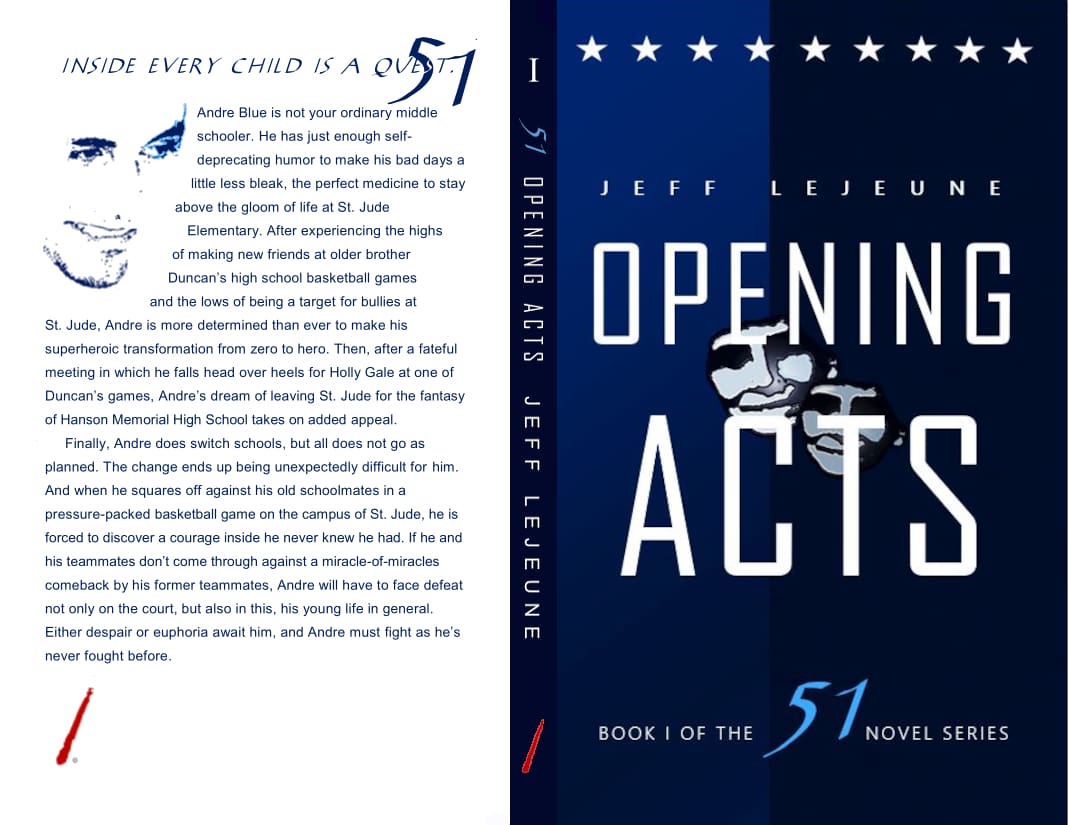
BOOK 1 OPENING ACTS (2015)
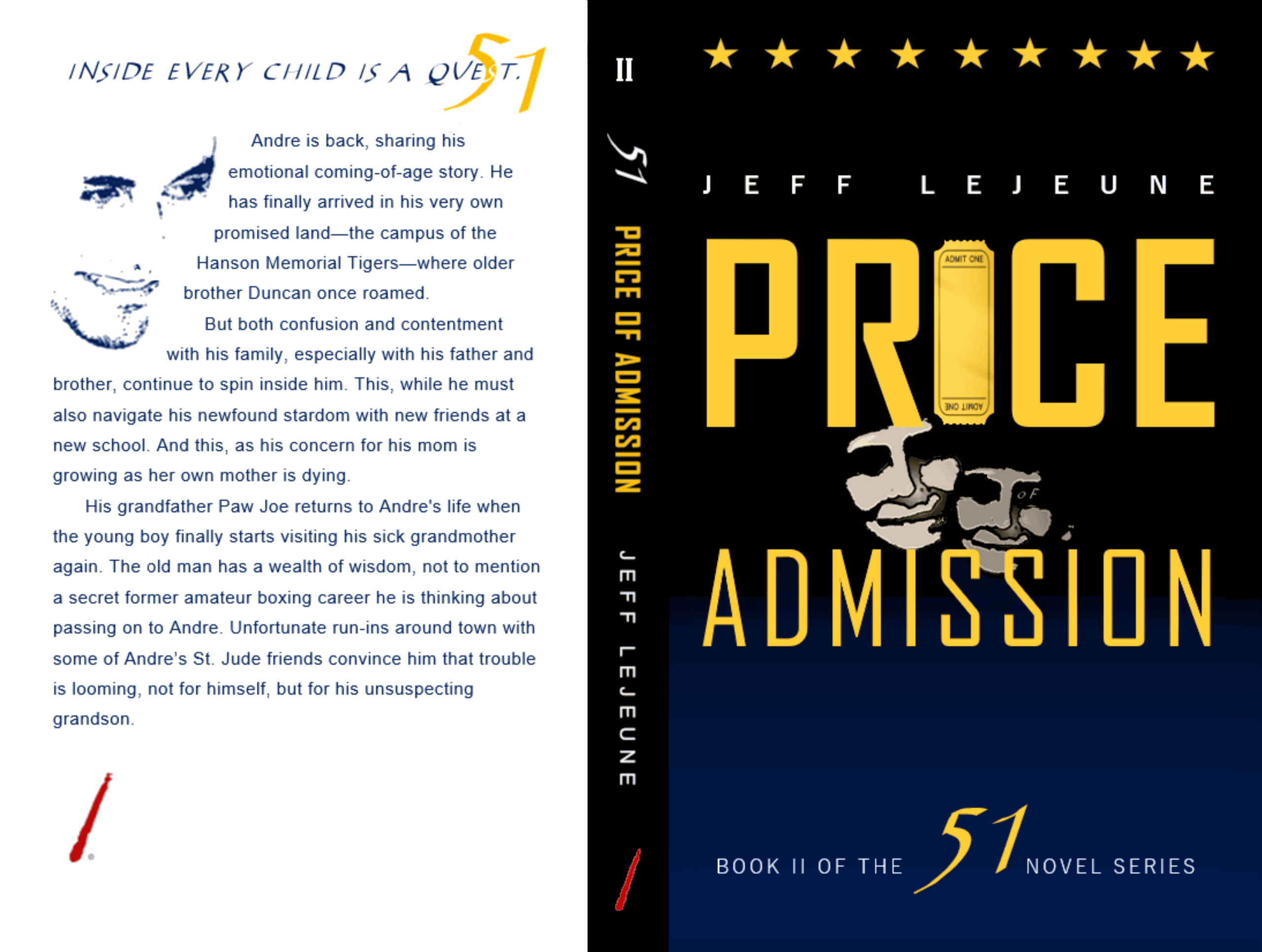
BOOK 2 PRICE OF ADMISSION (2023)
BOOK 3 THIRD BELL RINGING (2026)
Advertisement
Advertisement
